THE BUSINESS AI PLAYBOOK
AI for Nonprofits: Build a Grant Readiness and Evidence System
Use AI to organize grant requirements, program evidence and submission tasks so nonprofit teams can prepare stronger applications without inventing impact claims.
 Discuss with Oliver and his team
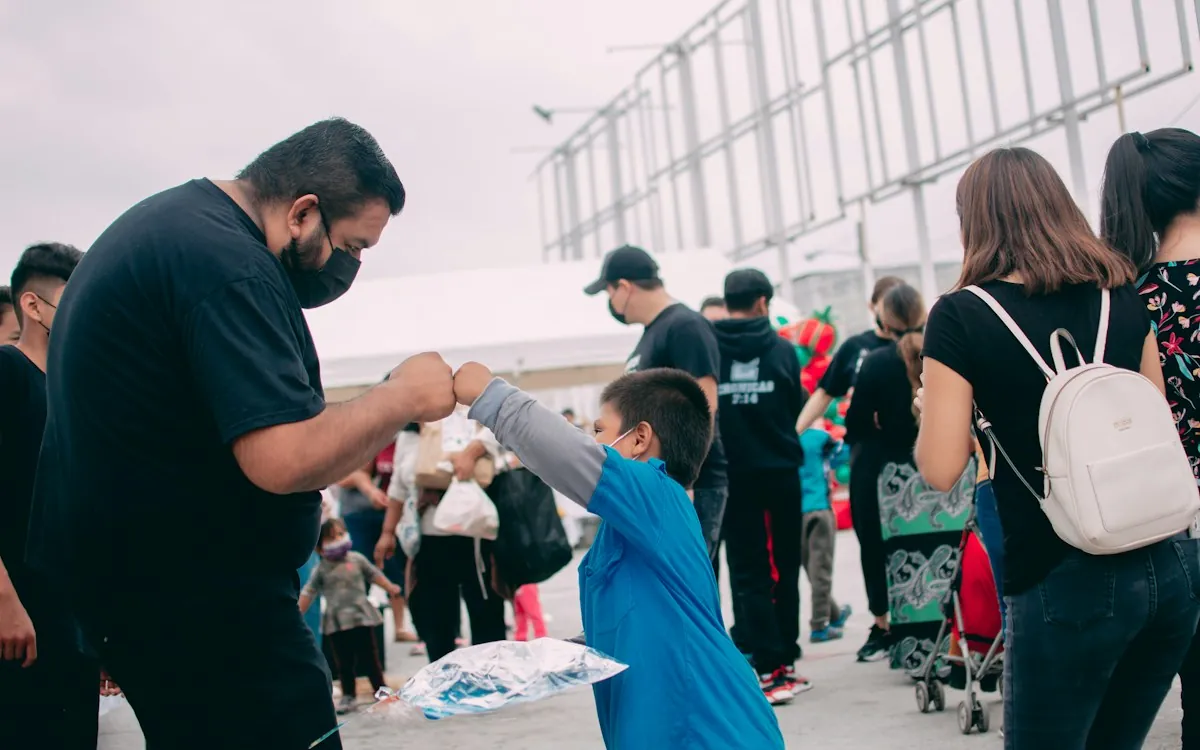
Use AI to organize grant requirements, locate approved program evidence and maintain a clear submission checklist. Keep eligibility decisions, budget commitments and impact claims under responsible staff review. A strong first system reduces the time spent chasing documents and reconciling versions, while making it easier to distinguish what the organization can substantiate from what still needs confirmation.
What to take away
- Create a requirement matrix before drafting a grant narrative.
- Attach source evidence and reporting periods to every impact figure.
- Keep submission roles and final approval explicit.
Build a reusable readiness file
Collect approved organizational descriptions, program summaries, financial materials, leadership information and commonly requested attachments. Give each item an owner, version and review date. Do not assume last year’s narrative remains accurate for this year’s staffing, service area or outcomes.
The readiness file should distinguish organization-wide facts from program-specific evidence. A statistic from one initiative should not quietly become a claim about every program. Keep sensitive participant information out of reusable materials unless the approved process specifically requires it.
Translate the opportunity into tasks
Have the assistant extract eligibility questions, required sections, word limits, attachments, dates and submission instructions with source links. A development lead should verify the matrix before drafting. Ambiguous eligibility should remain an open question rather than a confident “eligible” label.
For federal opportunities, Grants.gov Workspace supports collaborative preparation with defined roles. Your internal workflow should complement the actual submission environment. Preparing a draft or uploading a form is not the same as an authorized, successfully confirmed submission.
An illustrative application workflow
Imagine a workforce nonprofit is applying for a program-expansion grant. The assistant finds a request for participants served, completion rates and employer partnerships. It locates an approved annual report but flags that the reporting period differs from the application’s requested period.
The program manager supplies the correct figures and their calculation method. The assistant updates the narrative and checklist, while the finance lead reviews the budget commitments. The submission owner confirms the final package through the official process. This example shows evidence coordination rather than a promise of grant success.
Keep the narrative honest and specific
Use this brief: “Prepare a grant requirement matrix and draft outline from the official opportunity. Use only approved organizational evidence. Cite each outcome figure and reporting period. Flag missing eligibility, budget and program decisions. Do not invent beneficiaries, partnerships, results or commitments.”
After a submission, record reviewer questions and internal bottlenecks. Improve the readiness file so the next application starts with better evidence. Track the effort required to produce an accurate package; award rates depend on many factors beyond drafting quality and should not be attributed to AI without a defensible analysis.
FROM READING TO ACTION
Your first steps
- Assign owners to organizational, program and financial evidence.
- Version reusable narratives and record their review dates.
- Build a requirement matrix from the official opportunity.
- Verify impact figures and their reporting periods.
- Keep final submission authority and confirmation records explicit.
What to measure
| Measure | How to track it |
|---|---|
| Evidence-ready coverage | Measure application claims and required attachments with approved supporting records. |
| Application preparation effort | Track staff hours spent collecting, reconciling and reviewing materials. |
| Submission completeness | Count missing mandatory items found at final review and whether each was resolved before submission. |
Common questions
Can AI find grants we qualify for?
It can help organize candidate opportunities and compare stated criteria with supplied organizational facts. Treat the result as a screening aid, then verify the current official opportunity and eligibility requirements with the responsible staff.
Can we reuse an AI-generated impact story?
Only when every factual element is supported and the use of participant information is authorized. Do not invent a composite success story and present it as a real beneficiary experience.
Sources & further reading
These sources provide background. The workflow designs are Palnau Systems implementation guidance; examples are illustrative, not reported client results. Product capabilities and requirements can change.
Prepared with AI assistance for business owners and managers. For a recommendation based on your actual systems and requirements, work directly with Oliver and his team.