THE BUSINESS AI PLAYBOOK
AI for Security Guard Firms: Make Shift Handoffs Clearer
Build an AI shift handoff that organizes incident notes, unresolved tasks and site instructions while preserving facts, access controls and supervisor review.
 Discuss with Oliver and his team
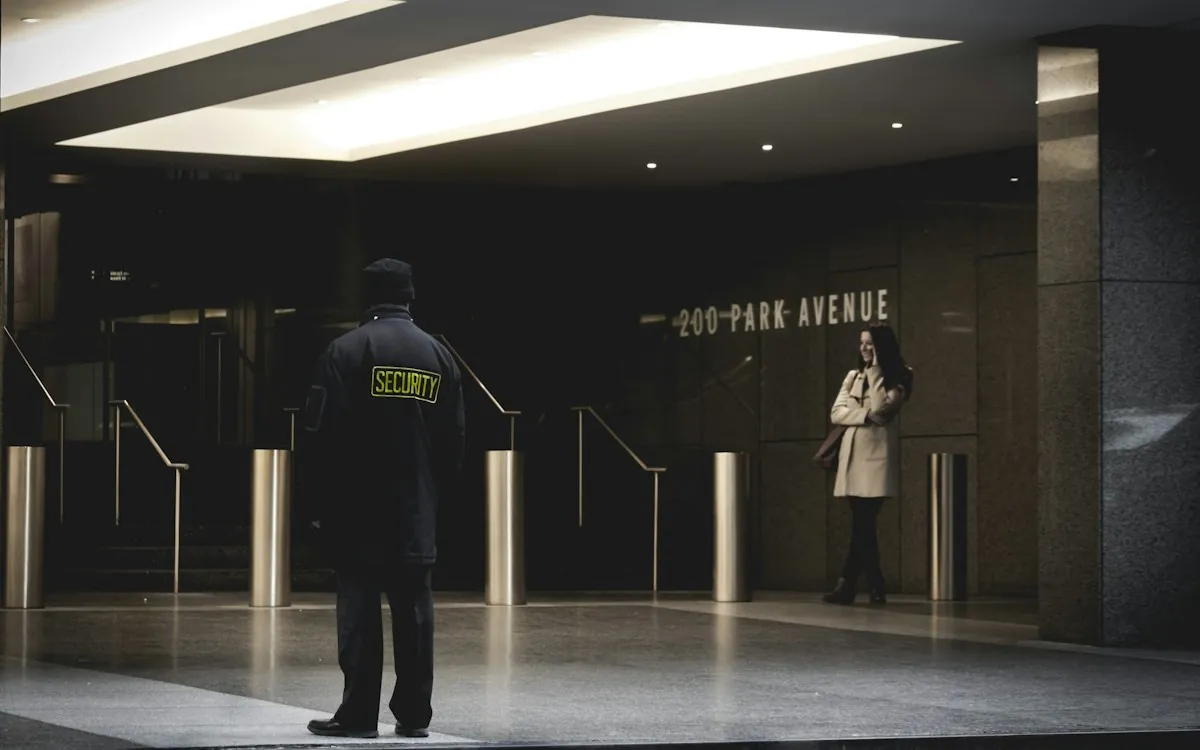
An AI shift assistant can organize approved incident notes, open tasks and changes to site instructions into a concise handoff for the next supervisor. It should preserve the distinction between direct observations, reported information and unresolved questions. Keep incident response, personnel decisions and changes to security procedures with authorized people; the assistant’s first job is to reduce information loss.
What to take away
- Preserve exact times, locations and the source of each incident statement.
- Highlight unresolved actions and instruction changes before routine narrative.
- Never let a summary replace the original incident record or approved post orders.
Define the handoff record
A useful handoff tells the incoming team what is different, what remains open and where to find the controlling instructions. Separate routine patrol completion from incidents, access issues, equipment faults and client requests. Record who observed or reported each item and whether it has been verified.
Keep the original notes intact. AI should create a derived summary with links, not overwrite the source record. Avoid language that turns a suspicion into a fact or removes uncertainty because a cleaner narrative sounds more professional.
Use approved instructions as the boundary
The assistant can retrieve current site instructions and identify a relevant escalation contact. It should not invent a response procedure or treat an unverified client email as an authorized change to post orders. Route procedure changes through the established approval process and show their effective date.
Apply access controls to site details, personal information and incident records. Not every employee needs every client’s security information. Use only the information necessary for the handoff, and keep sensitive attachments out of general-purpose notifications.
An illustrative overnight handoff
Imagine the evening shift reports a malfunctioning access reader, a visitor complaint and an unresolved maintenance request. The assistant prepares a handoff with three separate items, the last known status and the responsible contact. It labels the reader problem as reported until the supervisor confirms the fault.
The incoming supervisor acknowledges the open maintenance task and confirms the approved temporary procedure. The assistant records acknowledgment but does not claim the underlying problem is fixed. This hypothetical example shows how a clear state transition prevents a task from disappearing between shifts.
Test summaries for factual drift
Use this brief: “Prepare a shift handoff from authorized records. Preserve times, locations and attribution. Separate observed facts, reports and unresolved questions. List open actions with owners. Link current instructions, and do not create new procedures, assign blame or state that an issue is resolved without evidence.”
Review historical handoffs containing conflicting accounts, missing times and multiple incidents at similar locations. Ask supervisors to compare the summary with the originals. Measure missing critical items and incorrect certainty, not just how short the handoff becomes.
FROM READING TO ACTION
Your first steps
- Select one site with current approved instructions.
- Define required incident and open-action fields.
- Set access permissions by site and role.
- Test conflicting notes and unapproved instruction changes.
- Require supervisor acknowledgment of critical open items.
What to measure
| Measure | How to track it |
|---|---|
| Critical handoff omissions | Count important unresolved incidents or tasks absent from the reviewed summary. |
| Open-action aging | Measure how long assigned issues remain unresolved across shifts. |
| Summary correction rate | Track factual, attribution and status corrections supervisors make before release. |
Common questions
Can AI direct guards during an incident?
A live incident-response system is a different and higher-stakes application. Start with administrative handoffs and retrieval of approved instructions; real-time decisions should follow established procedures and authorized supervision.
Should reports be rewritten for a more professional tone?
Clarity can help, but factual meaning and uncertainty must remain intact. Preserve the original record, label the summary as derived and ensure a reviewer checks any wording that could change the interpretation of an event.
Sources & further reading
These sources provide background. The workflow designs are Palnau Systems implementation guidance; examples are illustrative, not reported client results. Product capabilities and requirements can change.
Prepared with AI assistance for business owners and managers. For a recommendation based on your actual systems and requirements, work directly with Oliver and his team.